Safety footwear is one of the most important items of personal protective equipment (PPE) in many professional environments. Its main purpose is to protect the feet against risks such as impacts, crushing injuries, punctures, slips, moisture and exposure to certain chemical substances.
In addition to improving worker safety, wearing appropriate footwear helps ensure compliance with occupational health and safety regulations while reducing the risk of workplace accidents in sectors such as the food industry, construction, logistics, healthcare and the chemical industry.
Below, we explain what safety footwear is, the key features it should offer, the main standards it must comply with, and how to choose the most suitable model according to the industry and the level of protection required.
What is safety footwear and why is it so important?
Safety footwear is footwear specifically designed to protect workers' feet against occupational hazards arising from their professional activities. Unlike conventional footwear, it incorporates dedicated protective features such as safety toe caps, puncture-resistant midsoles, slip-resistant soles and materials resistant to moisture, chemicals or extreme temperatures, while complying with European standards such as UNE EN ISO 20345.
Its use helps minimise injuries caused by impacts, crushing, punctures, slips and demanding working conditions. In addition, it improves worker comfort throughout the working day while ensuring compliance with occupational health and safety requirements across industries such as manufacturing, construction, logistics, food processing and agriculture.
What features should good safety footwear have?
Good safety footwear should combine protection, durability, ergonomics and comfort. Although the exact features will depend on the specific professional activity, there are several essential aspects that should always be considered before choosing any model.
- Safety toe cap: protects the toes against impacts and crushing injuries caused by falling objects or heavy loads.
- Puncture-resistant midsole: prevents injuries caused by sharp objects on the ground, such as nails, metal shavings or fragments of different materials.
- Slip-resistant sole: improves grip on wet, greasy or slippery surfaces, reducing the risk of slips and falls.
- Durable, hard-wearing materials: designed to withstand daily wear, moisture, abrasion and exposure to certain chemical agents.
- Ankle protection: provides greater stability and additional support when working on uneven terrain or in environments with a risk of twisting injuries.
- Ergonomics and comfort: enhances comfort during long working hours, helping to reduce fatigue and improve productivity.
Differences between safety footwear, protective footwear and occupational footwear
Although these terms are often used interchangeably, safety footwear, protective footwear and occupational footwear are different categories governed by specific standards. The main difference lies in the level of protection they provide against impacts and other workplace hazards.
| Footwear type |
Standard |
Toe protection |
Main features |
Typical industries |
| Safety footwear (SB / S) |
UNE EN ISO 20345:2022 |
200 J impact resistance |
Maximum level of protection against impacts, compression and other occupational hazards. |
Manufacturing, construction, logistics, food processing, maintenance and heavy industry. |
| Protective footwear (PB / P) |
UNE EN ISO 20346:2022 |
100 J impact resistance |
Intermediate protection for jobs with a lower risk of impact injuries. |
Light industry, maintenance and selected manufacturing environments. |
| Occupational footwear (OB / O) |
UNE EN ISO 20347:2022 |
No safety toe cap |
Designed to prioritise comfort, grip and durability. |
Healthcare, hospitality, cleaning, laboratories and service industries. |
UNE EN ISO 20344:2022 Safety Footwear Standard
What does UNE EN ISO 20344:2022 regulate?
The UNE EN ISO 20344:2022 standard establishes the test methods used to verify the safety performance of professional footwear. These tests assess aspects such as:
- Impact and compression resistance.
- Puncture resistance.
- Slip resistance performance.
- Water penetration and absorption.
- Resistance to heat and cold.
- Electrical properties.
- Resistance to hydrocarbons and certain chemical substances.
Based on these tests, the different classifications defined in UNE EN ISO 20345, 20346 and 20347 are established.
Most common optional markings
In addition to the main footwear classification, many models include additional markings indicating specific performance characteristics.
| Marking |
Description |
Marking |
Description |
| FO |
Resistance to hydrocarbons |
A |
Antistatic footwear |
| WPA |
Upper resistance to water penetration and absorption |
E |
Energy absorption in the heel |
| P |
Puncture resistance (metal midsole) |
WR |
Water resistance |
| PL |
Puncture resistance (non-metallic midsole) |
HI |
Heat insulation |
| PS |
Puncture resistance (high-performance non-metallic midsole) |
CI |
Cold insulation |
| SR |
Slip resistance |
HRO |
Resistance to contact heat |
| Ø |
Slip resistance not applicable (special lug sole) |
AN |
Ankle protection |
| LG |
Ladder grip footwear |
M |
Metatarsal protection |
| SC |
Scuff cap protection |
CR |
Cut resistance |
| ESD |
Protection against electrostatic discharge |
|
|
These markings make it easier to select the most suitable footwear according to the specific risks associated with each workplace.
Types of Safety Footwear by Application
Today, there is a wide range of professional footwear designed to meet the requirements of every industry. Choosing the right model depends on the working environment, the level of risk and the surrounding conditions.
Safety Shoes
Safety shoes are one of the most widely used options in sectors such as logistics, maintenance, light industry and food processing.
They combine protection, lightweight construction and comfort, making them ideal for professionals who spend long hours on their feet or frequently move around during the working day.
Their main advantages include:
- Lighter weight than safety boots.
- Greater breathability.
- Excellent comfort for everyday use.
- Available in a wide range of S1, S1P, S2 and S3 models.
Recommended products:
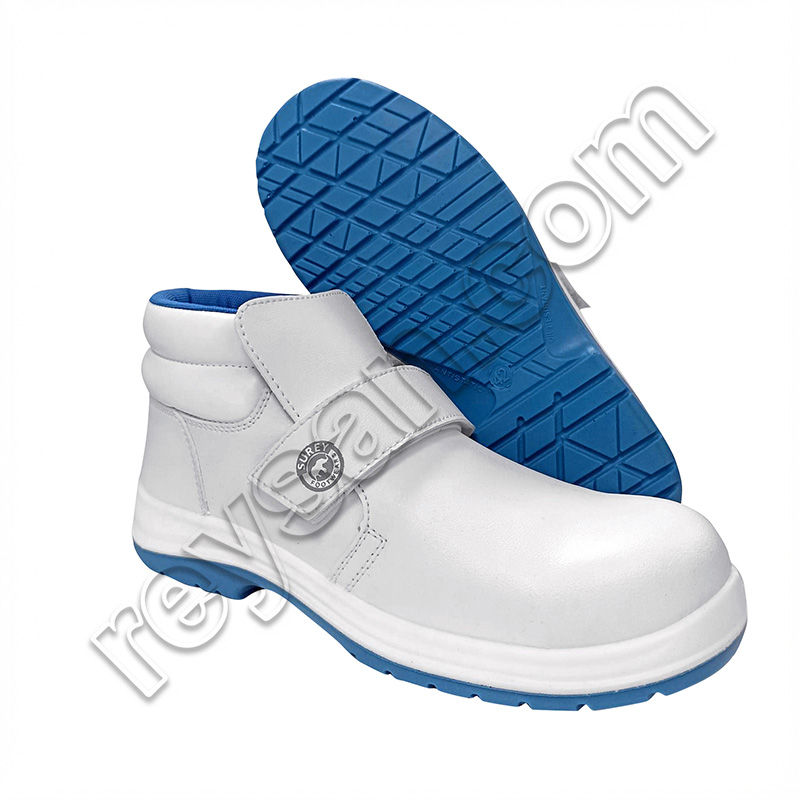
Brand: Surey Footwear
S2 | CI | FO | SR | ESD
EN ISO 20345:2022
€34.90 / pair (VAT not included)
BUY NOW
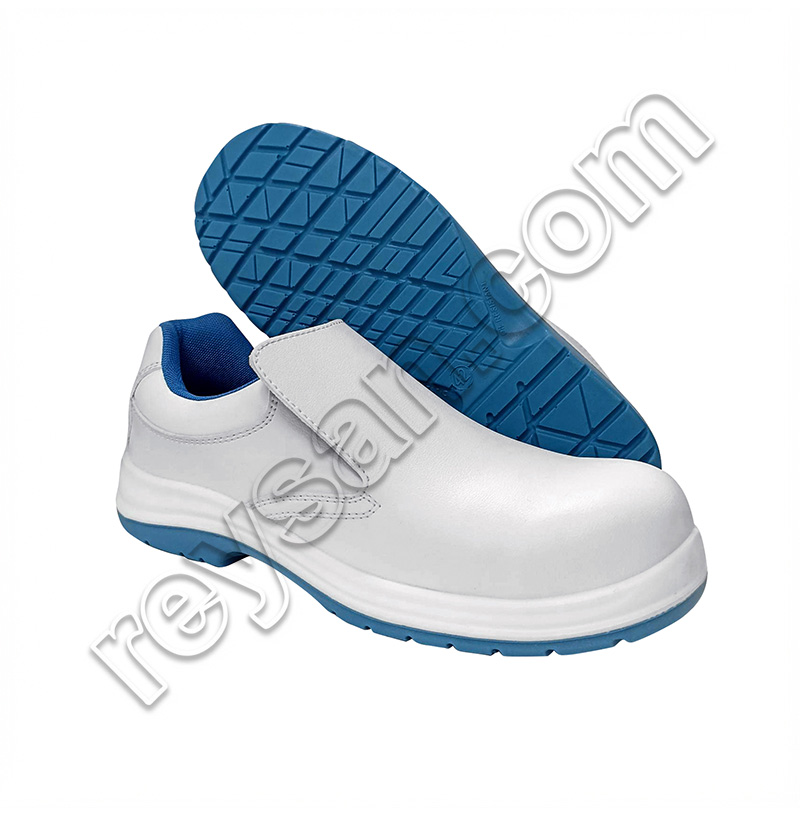
Brand: Surey Footwear
S2 | CI | FO | SR | ESD
EN ISO 20345:2022
€31.80 / pair (VAT not included)
BUY NOW
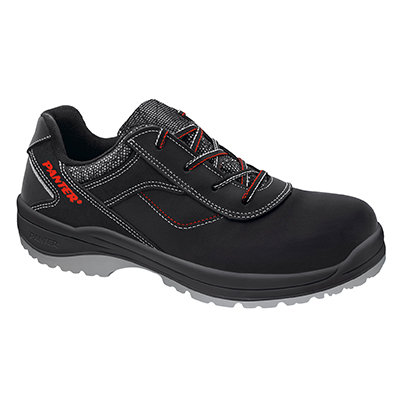
Brand: Panter
S3S | FO | HI | CI | SR
EN ISO 20345:2022
€37.40 / pair (VAT not included)
BUY NOW
Safety Boots
Safety boots provide additional protection thanks to their higher ankle design, offering greater ankle stability and enhanced protection against impacts, knocks and twisting injuries.
They are particularly recommended for:
- Construction.
- Heavy industry.
- Public works.
- Industrial maintenance.
- Outdoor work.
Recommended products:
Brand: Surey Footwear
S2 | CI | FO | SR | ESD
EN ISO 20345:2022
€34.90 / pair (VAT not included)
BUY NOW
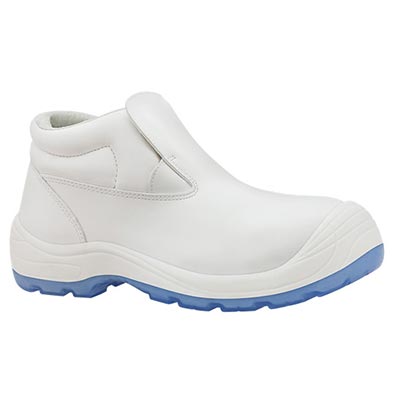
Brand: Panter
S2 | FO | CI | SR
EN ISO 20345:2022
€33.15 / pair (VAT not included)
BUY NOW
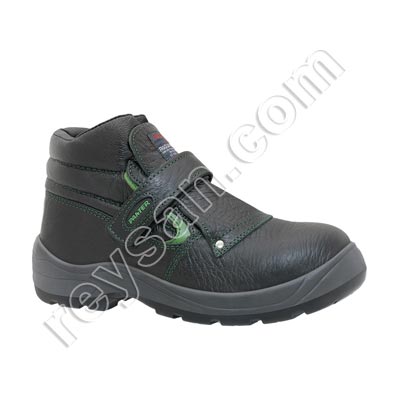
Brand: Panter
S3 | FO | HI | CI | SR
EN ISO 20345:2022
€38.70 / pair (VAT not included)
BUY NOW
Safety Wellington Boots
Safety Wellington boots are designed for working environments where moisture, mud, water or certain chemicals are a regular part of daily operations.
They are commonly manufactured from PVC, nitrile or polyurethane and provide complete waterproof protection.
They are widely used in:
- Food industry.
- Meat processing industry.
- Agriculture.
- Livestock farming.
- Fishing.
- Chemical industry.
Recommended products:
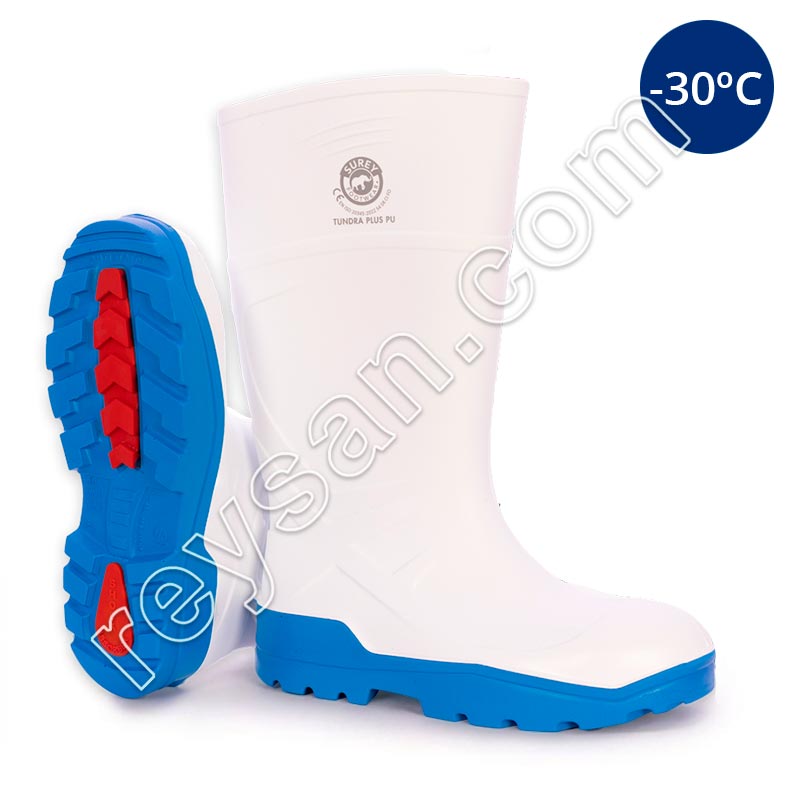
Brand: Surey Footwear
S4 | SR | CI | FO
EN ISO 20345:2022
€39.95 / pair (VAT not included)
BUY NOW
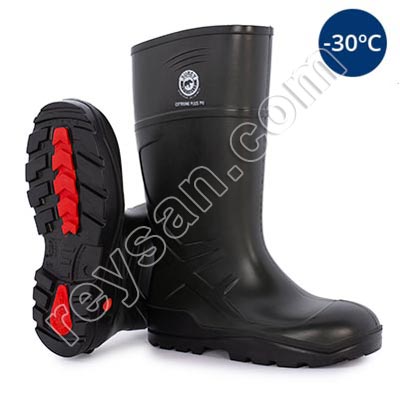
Brand: Surey Footwear
S5 | SR | CI | FO
EN ISO 20345:2022
€44.95 / pair (VAT not included)
BUY NOW
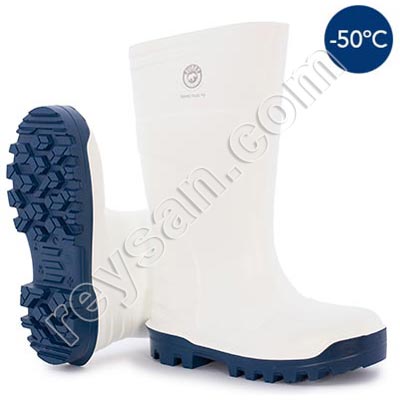
Brand: Surey Footwear
S5L | SR | CI | FO
EN ISO 20345:2022+A1:2024
€74.95 / pair (VAT not included)
BUY NOW
Footwear for Extreme Cold
Working in cold storage rooms or environments with sub-zero temperatures requires specialised safety footwear capable of maintaining thermal comfort while preserving the performance of its materials.
This type of footwear features dedicated insulation systems and certifications for low-temperature environments.
It is particularly recommended for:
- Cold storage facilities.
- Food industry.
- Cold chain logistics.
- Frozen food industry.
- Refrigerated warehouses.
Recommended products:
Brand: Surey Footwear
S5L | SR | CI | FO
EN ISO 20345:2022+A1:2024
€74.95 / pair (VAT not included)
BUY NOW
Brand: Surey Footwear
S5 | SR | CI | FO
EN ISO 20345:2022
€44.95 / pair (VAT not included)
BUY NOW
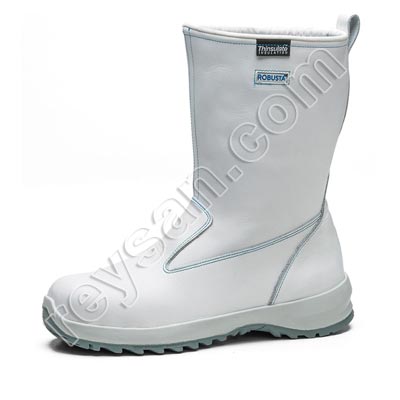
Brand: Robusta
S2 | CI | HRO | SRC
EN ISO 20345:2011
€67.85 / pair (VAT not included)
BUY NOW
ESD and Antistatic Footwear
ESD footwear is designed to safely dissipate the static electricity accumulated by the body, preventing electrostatic discharges that could damage sensitive electronic equipment or create hazards in high-risk environments.
It is commonly used in:
- Electronics.
- Automotive industry.
- Laboratories.
- Pharmaceutical industry.
- Cleanrooms.
Recommended products:
Brand: Surey Footwear
S2 | CI | FO | SR | ESD
EN ISO 20345:2022
€34.90 / pair (VAT not included)
BUY NOW
Brand: Surey Footwear
S2 | CI | FO | SR | ESD
EN ISO 20345:2022
€31.80 / pair (VAT not included)
BUY NOW
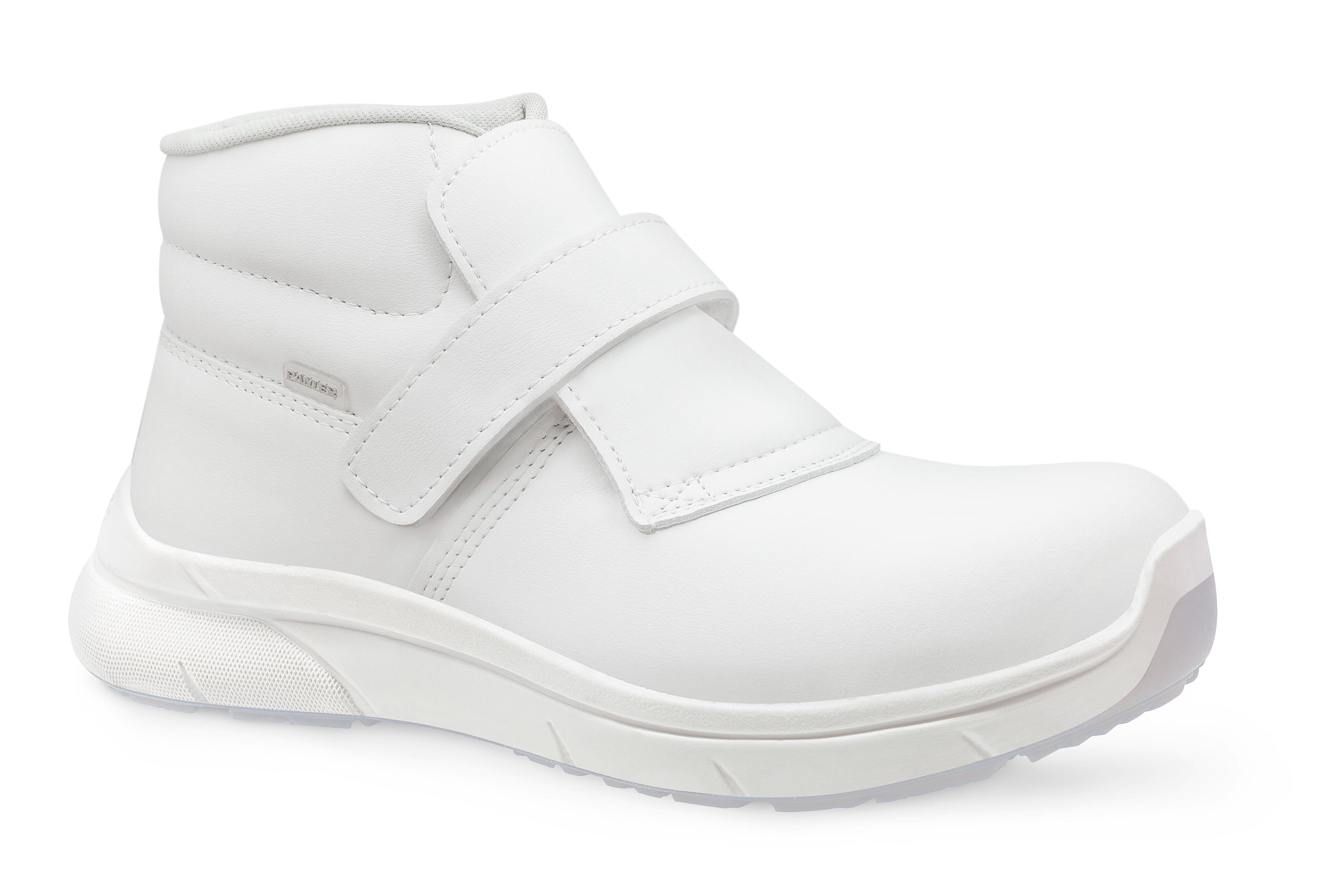
Brand: Panter
S2 | FO | HI | CI | SR | ESD
EN ISO 20345:2022
€43.50 / pair (VAT not included)
BUY NOW
Safety and Healthcare Clogs
Professional clogs offer an excellent combination of comfort, hygiene and easy cleaning, making them a highly popular solution in the healthcare and food industries.
They are commonly used in:
- Hospitals.
- Clinics.
- Care homes.
- Laboratories.
- Professional kitchens.
Recommended products:
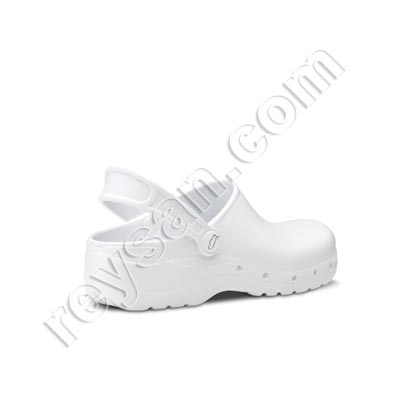
OB | SR | E
EN ISO 20347:2022
€24.70 / pair (VAT not included)
BUY NOW
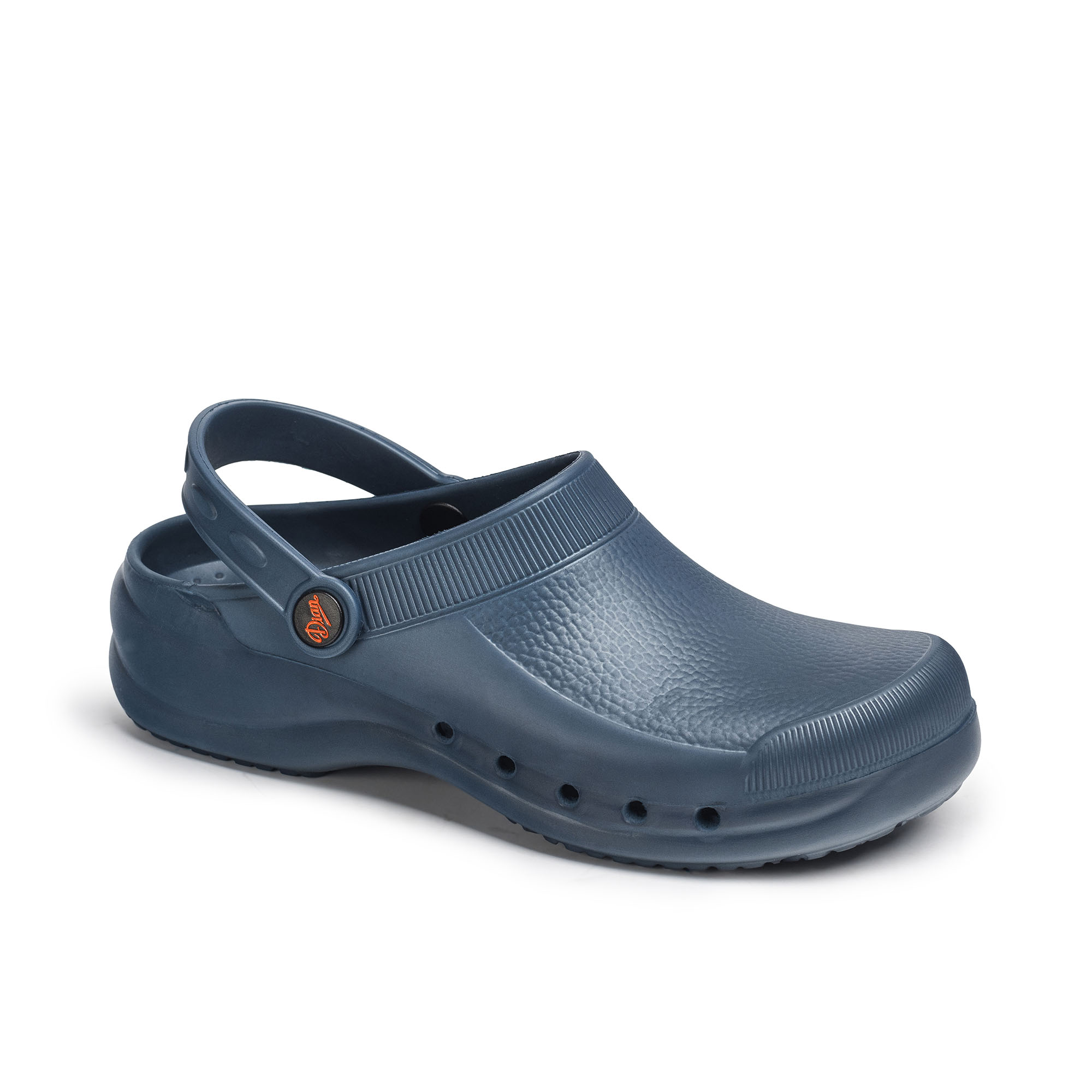
Ultra-lightweight and slip-resistant
€25.50 / pair (VAT not included)
BUY NOW
Footwear for the Food Industry
The food industry requires dedicated safety footwear that is easy to clean, resistant to moisture and designed to minimise the risk of contamination.
Depending on the application, either safety shoes or safety Wellington boots may be used.
The most valued features are:
- Waterproof protection.
- Slip resistance.
- Hygiene.
- Chemical resistance.
- Comfort during long working shifts.
Recommended products:
Brand: Surey Footwear
S2 | CI | FO | SR | ESD
EN ISO 20345:2022
€34.90 / pair (VAT not included)
BUY NOW
Brand: Surey Footwear
S2 | CI | FO | SR | ESD
EN ISO 20345:2022
€31.80 / pair (VAT not included)
BUY NOW
Brand: Surey Footwear
S4 | SR | CI | FO
EN ISO 20345:2022
€39.95 / pair (VAT not included)
BUY NOW
Brand: Surey Footwear
S5L | SR | CI | FO
EN ISO 20345:2022+A1:2024
€74.95 / pair (VAT not included)
BUY NOW
Footwear Classification by Protection Level
The UNE EN ISO 20345:2022 standard establishes different protection levels according to the hazards the footwear is designed to protect against. Each classification includes a series of specific performance requirements that make it possible to select the most suitable model based on the activity performed, the working environment and the conditions to which the worker will be exposed.
Before examining each classification in detail, the following table provides a summary of the most common protection levels and their main applications:
| Classification |
Typical use |
| SB |
Basic protection against impacts. |
| S1 |
Dry indoor environments, logistics and light industry. |
| S2 |
Wet environments and the food industry. |
| S3 |
Construction, industry and maintenance. |
| S4 |
Waterproof boots for the food industry, agriculture and livestock farming. |
| S5 |
Waterproof boots with puncture-resistant protection. |
| S6 |
Wet environments requiring water resistance throughout the entire footwear. |
| S7 |
Maximum protection and waterproof performance. |
SB Protection Level
Includes:
- Basic safety requirements of the UNE EN ISO 20345:2022 standard.
- Toe cap resistant to impacts of up to 200 J.
- Compression resistance of 15 kN.
Recommended for:
- General industry.
- Logistics.
- Work involving a basic risk of impact.
SBP Protection Level
Includes:
- All the features of the SB protection level.
- Puncture resistance provided by a protective midsole.
Recommended for:
- Industry.
- Warehouses.
- Maintenance.
- Work involving a risk of sharp objects on the ground.
OB Protection Level
Includes:
- Basic occupational footwear requirements.
- No safety toe cap.
Recommended for:
- Healthcare.
- Hospitality.
- Professional cleaning.
- Service industries.
Recommended product:
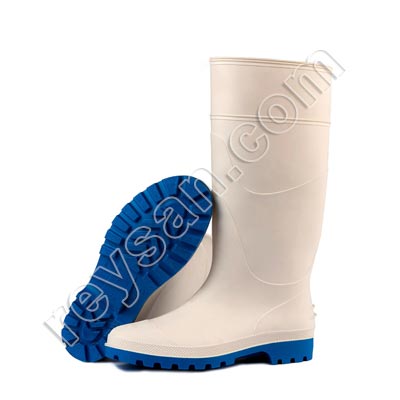
OB | SRC
EN ISO 20347:2012
€19.00 / pair (VAT not included)
BUY NOW
S1 protection level
Includes:
- All the features of the SB protection level.
- Antistatic footwear (A).
- Energy absorption in the heel area (E).
- Closed heel area.
Recommended for:
- Logistics.
- Light industry.
- Warehouses.
- Distribution centres.
Recommended product:
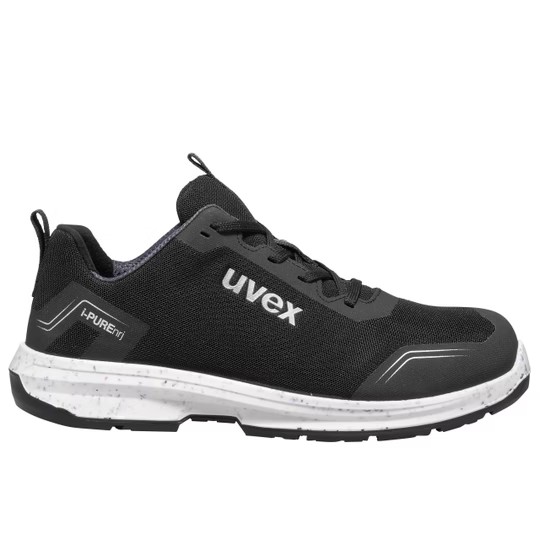
Brand: Uvex
S1 | ESD
BUY
S1P protection level
Includes:
- All the features of the S1 protection level.
- Penetration resistance (P).
Recommended for:
- Technical installations.
- Maintenance.
- Industry.
- Logistics.
S2 Protection Level
Includes:
- All the features of the S1 protection level.
- Resistance to water penetration and absorption (WPA).
Recommended for:
- Food industry.
- Meat processing industry.
- Hospitality.
- Laboratories.
- Wet working environments.
Recommended products:
Brand: Surey Footwear
S2 | CI | FO | SR | ESD
EN ISO 20345:2022
€34.90 / pair (VAT not included)
BUY NOW
Brand: Surey Footwear
S2 | CI | FO | SR | ESD
EN ISO 20345:2022
€31.80 / pair (VAT not included)
BUY NOW
S3 Protection Level
Includes:
- All the features of the S2 protection level.
- Puncture resistance (P).
- Cleated outsole.
Recommended for:
- Construction.
- Public works.
- Heavy industry.
- Industrial maintenance.
- Outdoor work.
S3L Protection Level
Includes:
- All the features of the S2 protection level.
- Puncture resistance provided by a non-metallic midsole (PL).
- Cleated outsole.
Recommended for:
- Logistics.
- Technical installations.
- Light industry.
- Maintenance.
S3S Protection Level
Includes:
- All the features of the S2 protection level.
- Enhanced puncture resistance provided by a non-metallic midsole (PS).
- Cleated outsole.
Recommended for:
- Construction.
- Heavy industry.
- Public works.
- Environments with a high risk of puncture injuries.
Recommended product:
Brand: Panter
S3S | FO | HI | CI | SR
EN ISO 20345:2022
€37.40 / pair (VAT not included)
BUY NOW
S4 Protection Level
Includes:
- 200 J impact-resistant safety toe cap.
- Antistatic footwear (A).
- Energy absorption in the heel (E).
- Fully waterproof construction.
Recommended for:
- Food industry.
- Agriculture.
- Livestock farming.
- Fishing.
- Industrial cleaning.
Recommended product:
Brand: Surey Footwear
S4 | SR | CI | FO
EN ISO 20345:2022
€39.95 / pair (VAT not included)
BUY NOW
S5 Protection Level
Includes:
- All the features of the S4 protection level.
- Puncture resistance (P).
- Cleated outsole.
Recommended for:
- Chemical industry.
- Agriculture.
- Livestock farming.
- Construction.
- Waste management.
Recommended product:
Brand: Surey Footwear
S5 | SR | CI | FO
EN ISO 20345:2022
€44.95 / pair (VAT not included)
BUY NOW
S5L Protection Level
Includes:
- All the features of the S4 protection level.
- Puncture resistance provided by a non-metallic midsole (PL).
- Cleated outsole.
Recommended for:
- Food industry.
- Cold storage facilities.
- Agriculture.
- Outdoor work.
Recommended product:
Brand: Surey Footwear
S5L | SR | CI | FO
EN ISO 20345:2022+A1:2024
€74.95 / pair (VAT not included)
BUY NOW
S5S Protection Level
Includes:
- All the features of the S4 protection level.
- Enhanced puncture resistance provided by a non-metallic midsole (PS).
- Cleated outsole.
Recommended for:
- Heavy industry.
- Construction.
- Public works.
- Mining.
S6 Protection Level
Includes:
- All the features of the S2 protection level.
- Water-resistant footwear construction (WR).
Recommended for:
- Municipal services.
- Outdoor maintenance.
- Outdoor logistics.
- Wet working environments.
S7 Protection Level
Includes:
- All the features of the S3 protection level.
- Water-resistant footwear construction (WR).
Recommended for:
- Construction.
- Infrastructure projects.
- Public works.
- Outdoor work.
S7L Protection Level
Includes:
- All the features of the S3L protection level.
- Water-resistant footwear construction (WR).
Recommended for:
- Outdoor logistics.
- Industry.
- Maintenance.
- Technical services.
S7S Protection Level
Includes:
- All the features of the S3S protection level.
- Water-resistant footwear construction (WR).
Recommended for:
- Heavy industry.
- Construction.
- Infrastructure projects.
- Mining.
- High-risk work environments.
Recommended product:
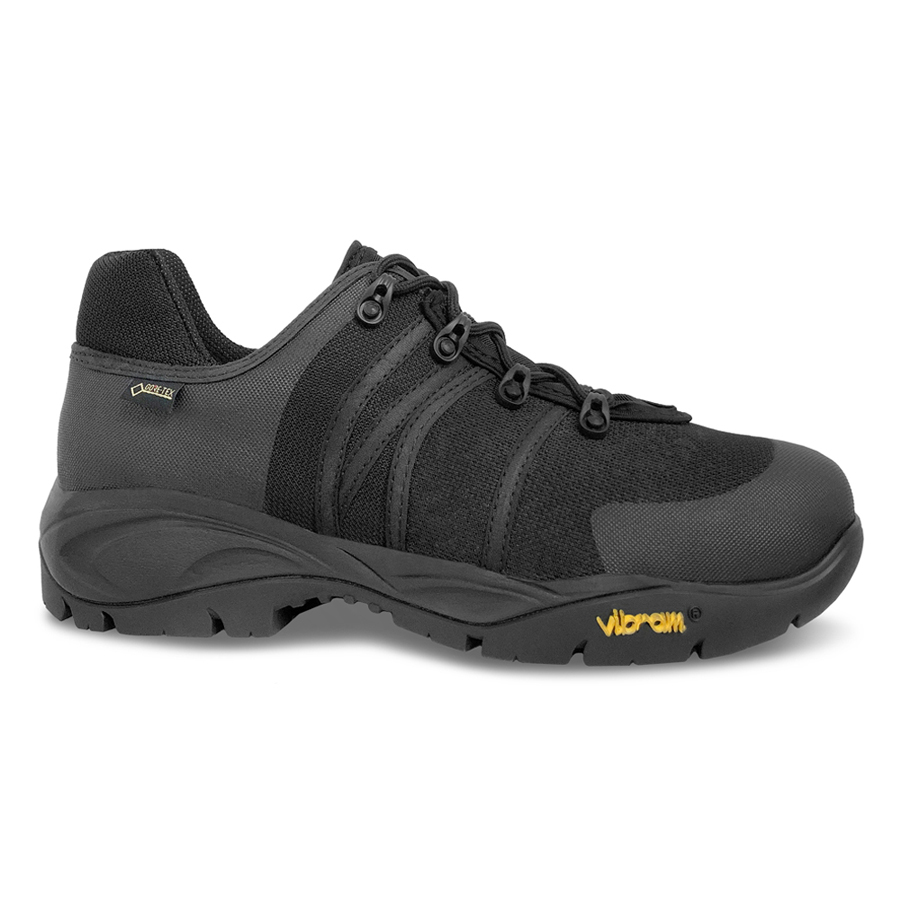
Brand: Robusta
S7S | FO | HI | CI | HRO | SR
EN ISO 20345:2022
€95.30 / pair (VAT not included)
BUY NOW
How to Choose the Right Safety Footwear for Your Industry
Every professional activity presents specific hazards that should be assessed before selecting a footwear model. Choosing the correct classification improves safety, comfort and the durability of your personal protective equipment.
Footwear for the Food Industry
The food industry requires footwear specifically designed for wet environments, slippery surfaces and strict hygiene protocols.
The most important features usually include:
- Food-safe suitability.
- Waterproof protection.
- Easy to clean.
- Chemical resistance.
- Slip-resistant soles.
- S2, S4 or S5 certification.
In slaughterhouses, meat cutting rooms, meat processing facilities and food production plants, safety Wellington boots and specialised food industry footwear are commonly used.
View Food Industry Safety Footwear
Footwear for Construction
Construction is one of the industries with the highest exposure to mechanical hazards.
Workers may be exposed to:
- Falling objects.
- Punctures caused by nails.
- Uneven surfaces.
- Impacts and crushing injuries.
The most common classifications are:
View Safety Footwear for Construction
Footwear for Laboratories
Laboratories and research centres require footwear that combines protection, comfort and resistance to certain chemical substances.
Depending on the application, the following may be recommended:
- S1.
- S2.
- ESD footwear.
- Antistatic footwear.
View Safety Footwear for Laboratories
Footwear for Healthcare
Healthcare professionals spend many hours on their feet and require footwear that is comfortable, lightweight and easy to sanitise.
The most valued features are:
- Ergonomic design.
- Cushioning.
- Slip resistance.
- Breathability.
Professional clogs and selected healthcare footwear models are the most commonly used solutions.
View Healthcare Footwear and Professional Clogs
Footwear for Hospitality
Professional kitchens and hospitality environments are constantly exposed to slip hazards, moisture and liquid spills.
For this reason, it is advisable to use:
- Slip-resistant footwear.
- Water-resistant footwear.
- High-grip soles.
View Slip-Resistant Shoes and Footwear for Hospitality and Professional Kitchens
Footwear for the Chemical Industry
Exposure to aggressive substances requires highly resistant materials and excellent waterproof performance.
Depending on the application, the following are commonly recommended:
- PVC boots.
- Nitrile boots.
- Polyurethane boots.
- S4 and S5 classifications.
Suitable Footwear for Logistics and Warehousing
Warehouse and logistics professionals cover thousands of steps every day.
For this reason, they usually prioritise:
- Lightweight design.
- Comfort.
- Flexibility.
- Wear resistance.
The most common classifications are:
Quick Comparison of Protection Levels
| Protection Level |
Waterproof |
Puncture Resistant |
Typical Use |
| S1 |
No |
No |
Indoor environments |
| S2 |
Yes |
No |
Food industry |
| S3 |
Yes |
Yes |
Construction |
| S4 |
Yes |
No |
Safety Wellington boots |
| S5 |
Yes |
Yes |
Agriculture and industry |
| S7 |
Yes |
Yes |
Maximum protection |
Frequently Asked Questions About Safety Footwear
What is the difference between S1 and S3 safety footwear?
S3 safety footwear includes all the features of the S2 classification and additionally incorporates a puncture-resistant midsole and a cleated outsole, providing a higher level of protection than S1. It is one of the most widely used classifications in construction, industrial maintenance and outdoor work.
What is the difference between S4 and S5 safety boots?
S4 safety boots feature a safety toe cap and complete waterproof protection, while S5 safety boots also include a puncture-resistant midsole to protect the foot against sharp objects on the ground. For this reason, S5 boots are particularly suitable for agriculture, industry, construction and other high-risk working environments.
How do I choose the right safety footwear according to workplace hazards?
The correct choice depends on the hazards present in the workplace. Factors such as impacts, punctures, moisture, slips, extreme cold or exposure to chemicals will determine the most suitable classification, whether S1, S2, S3, S4, S5 or S7, as well as additional features such as water resistance, thermal insulation or ESD protection.
Which are the best safety footwear brands?
There are many specialist manufacturers offering solutions for different industries and protection levels. Among the most recognised brands are Surey Footwear, Panter, Robusta, Dunlop and MTS, with models specifically designed for the food industry, construction, logistics, laboratories, healthcare and many other demanding professional environments.
What are the advantages of lace-free safety footwear?
Lace-free safety footwear makes it easier to put on and remove shoes, improves hygiene and eliminates the risk of laces becoming accidentally caught. For this reason, it is widely used in the food industry, laboratories, professional cleaning, hospitality and healthcare.
What features should slip-resistant footwear have?
Good slip-resistant footwear should incorporate a sole specifically designed to provide excellent grip on wet, greasy or slippery surfaces. This performance is currently identified by the SR marking under the UNE EN ISO 20345 standard, helping to reduce the risk of slips and falls in the workplace.
What safety footwear is recommended for cold storage facilities?
For work carried out in cold storage rooms or extremely cold environments, boots with certified thermal insulation, a CI marking and materials capable of maintaining their performance at very low temperatures are recommended. Specific models are available that can withstand temperatures down to -30 °C or even -50 °C.
How often should safety footwear be replaced?
There is no fixed replacement interval, as it depends on the intensity of use and the working conditions. Safety footwear should be replaced whenever significant wear is visible on the sole, toe cap, insole or any other component that could compromise its protective performance.
Which safety toe cap is better, steel or composite?
Both provide impact protection up to 200 J in accordance with EN ISO 20345. Composite toe caps are lighter, non-metallic and offer better thermal insulation, while steel toe caps remain a highly durable and cost-effective solution for many working environments.
Is it mandatory to wear safety footwear at work?
Yes, whenever the workplace risk assessment identifies hazards to the feet. In such cases, the employer must provide the appropriate personal protective equipment, and the employee is required to wear it in accordance with occupational health and safety regulations.
Experts in Professional Safety Footwear
Choosing the right safety footwear is essential to protect workers, improve comfort and ensure compliance with current safety regulations. Every industry presents specific hazards and requires tailored solutions that combine protection, ergonomics and durability.
At Reysan, we offer companies and professionals a comprehensive range of safety shoes, safety boots, safety Wellington boots, healthcare clogs and specialist footwear for the food industry, construction, laboratories, the chemical industry and many other professional sectors. We work with leading brands and certified models that meet the highest industry standards.
If you need advice on choosing the most suitable safety footwear for your activity, industry or required level of protection, please do not hesitate to contact our team of specialists. We will be delighted to help you find the solution that best meets your needs.
Videos About Professional Safety Footwear
Ibiza S2 Safety Shoe Video
Menorca S2 Safety Boot Video
Tundra S4 Safety Boot Video