With the arrival of summer, high temperatures once again become one of the main concerns for businesses. Heatwaves are becoming increasingly intense, frequent and prolonged, increasing the exposure of thousands of workers who carry out their activities outdoors or in particularly hot environments.
Sectors such as the food industry, construction, agriculture, logistics, mining and industry in general face this challenge every year. Fatigue, dizziness, loss of concentration and heat exhaustion are some of the consequences of prolonged exposure to high temperatures, while also increasing the risk of incidents and workplace accidents.
For this reason, more and more companies are strengthening their heat prevention protocols by incorporating innovative solutions capable of detecting risk situations before the first symptoms appear. In this article, we review the main preventive measures and introduce one of the most innovative solutions for improving heat stress monitoring and preventing heat stroke in the workplace.
Preventive measures for high temperatures at work: traditional methods are no longer enough
Prevention remains the most effective way to reduce the risks associated with high temperatures. In fact, the National Institute for Safety and Health at Work (INSST) recommends implementing a series of preventive measures to minimise heat exposure during the working day.
Main preventive measures against heat:
- Stay well hydrated throughout the day.
- Adjust working hours to avoid periods of highest solar radiation.
- Take regular breaks in cool or shaded areas.
- Wear lightweight, breathable clothing suitable for each task.
- Protect the head and eyes from sun exposure.
- Allow workers to acclimatise gradually to high temperatures.
- Avoid lone working when heat risk is high.
- Provide training and information on the symptoms of heat stress.
However, these measures have one obvious limitation: many cases of heat stress develop gradually and may go unnoticed in their early stages. For this reason, more and more companies are incorporating new technological solutions capable of continuously monitoring workers and detecting risk situations before the first symptoms appear.
Heat stroke prevention wristbands: continuous worker monitoring
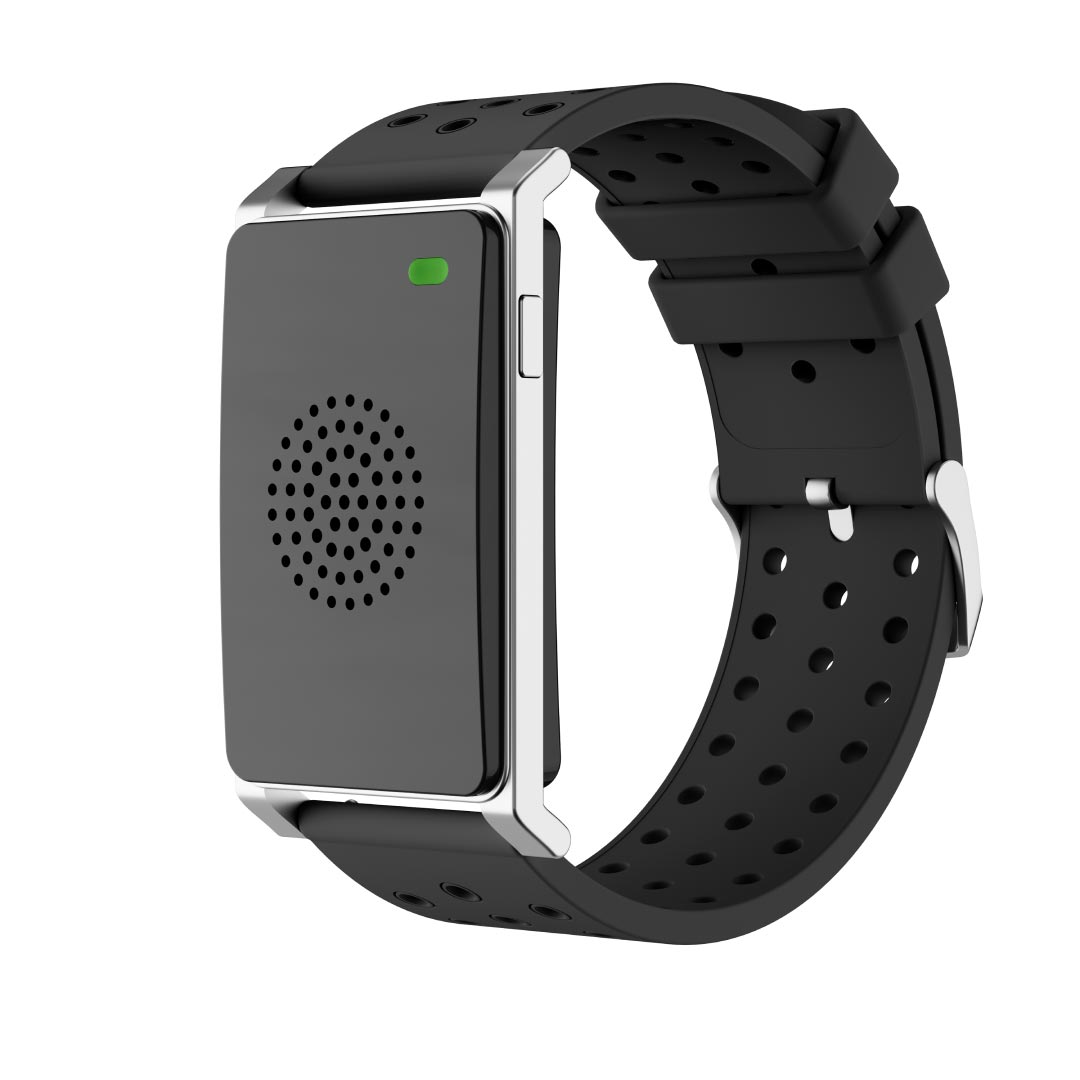
To help companies strengthen worker safety during the hottest months of the year, Reysan has added two new heat stroke prevention wristbands to its product range.
These devices take automatic readings every 90 seconds while simultaneously monitoring both body temperature and ambient temperature. When potentially dangerous values are detected, they activate automatic alerts, enabling rapid action and reinforcing existing prevention protocols.
Key benefits include:
- Continuous monitoring of body and ambient temperature.
- Automatic readings every 90 seconds.
- Visual, audible and vibration alerts.
- Early prevention of heat stress.
- IP67 protection against water and dust.
- Long-lasting batteries.
- Fast USB charging.
- Tested and validated by AITEX.
|
Heat Stroke Prevention Wristband |
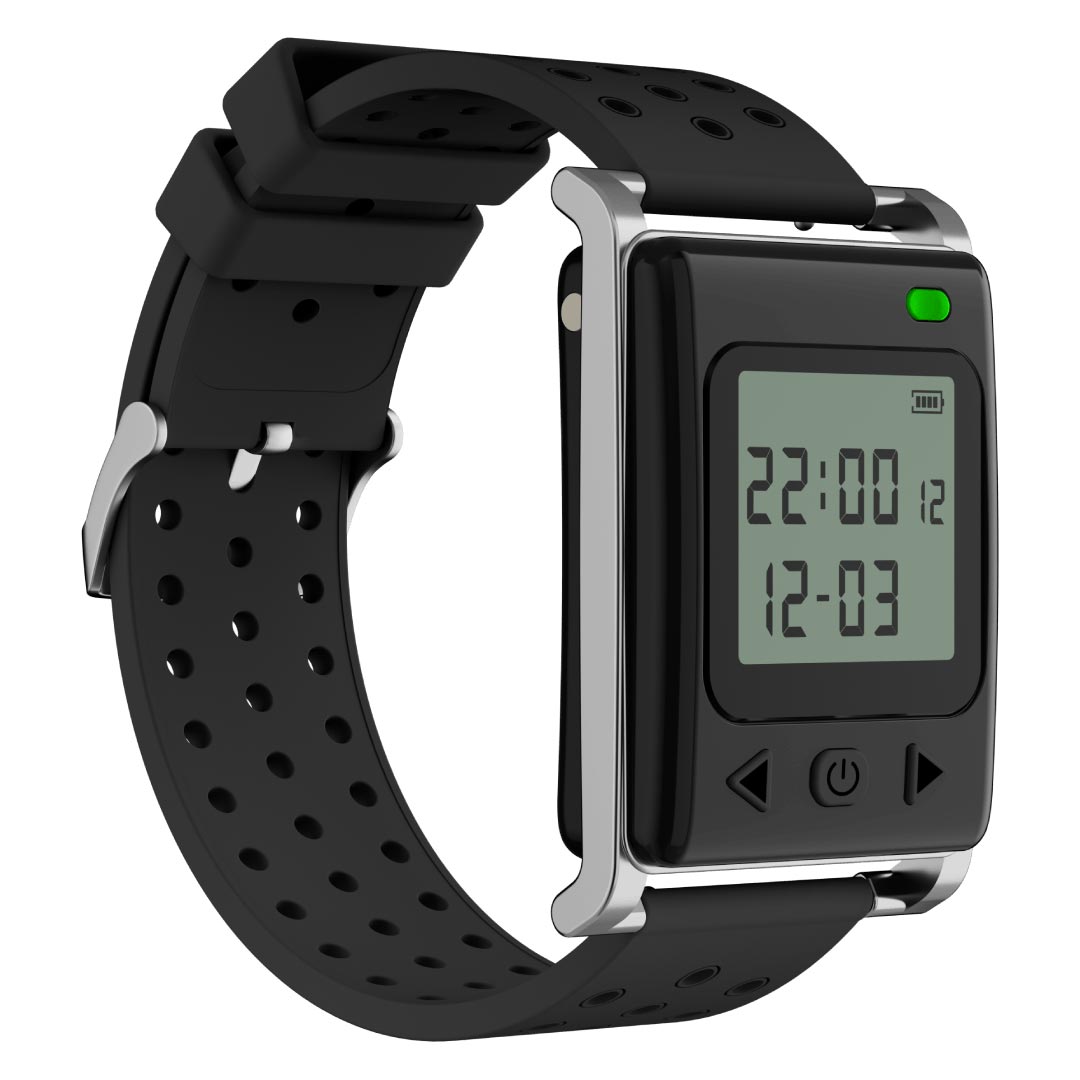
Heat Stroke Prevention Wristband with Watch |
| Image |
|
|
| Main use |
Heat stroke prevention |
Heat stroke prevention + integrated watch |
| Body temperature |
Yes |
Yes |
| Ambient temperature |
Yes |
Yes |
| Visual alerts |
Yes |
Yes |
| Audible alerts |
Yes |
Yes |
| Vibration alerts |
Yes |
Yes |
| Display / Watch |
No |
Yes |
| Date and time |
No |
Yes |
| Battery indicator |
No |
Yes |
| Key features |
Body and ambient temperature monitoring · Visual, audible and vibration alerts · IP67 protection · Up to 60 days battery life · Fast USB charging · Validated by AITEX
|
Body and ambient temperature monitoring · Automatic readings every 90 seconds · Display with watch, date and battery status · Visual, audible and vibration alerts · IP67 protection · Validated by AITEX
|
| Protection |
IP67 |
IP67 |
| Battery life |
Up to 60 days |
45-60 days |
| Validation |
AITEX |
AITEX |
| Price per unit |
€59.50 (VAT not included)
|
€72.25 (VAT not included)
|
| Other quantities |
REQUEST A QUOTE FOR OTHER QUANTITIES
|
REQUEST A QUOTE FOR OTHER QUANTITIES
|
| Buy |
BUY NOW
|
BUY NOW
|
The best way to prevent heat stroke in the workplace
High temperatures will continue to be part of the daily reality for many businesses over the coming months. Having tools capable of detecting risk situations before they become a real problem helps strengthen prevention, improve safety and protect workers carrying out their activities in particularly demanding environments.
The new heat stroke prevention wristbands are the most effective solution for implementing thermal monitoring systems in a more efficient and cost-effective way.
Stay ahead of the risk and protect your workers this summer. If you would like more information about these thermal monitoring wristbands or would like to discover all their benefits, our team will be delighted to advise you and help you find the most suitable solution for your business.
Frequently Asked Questions About Heat Stroke at Work and Thermal Monitoring Wristbands
What is heat stroke and why can it be so dangerous?
Heat stroke occurs when the body loses its ability to regulate its temperature properly. If not detected in time, it can lead to serious health consequences and require urgent medical attention.
What are the first symptoms of heat stroke?
The most common symptoms include severe fatigue, dizziness, headache, muscle weakness, excessive sweating, disorientation, and loss of concentration.
Which workers are at the highest risk of suffering heat stroke?
Mainly those who work outdoors or in high-temperature environments, such as the agri-food industry, construction, agriculture, logistics, mining, maintenance, emergency services, and industry in general.
At what temperature is it no longer safe to work?
There is no single temperature limit that applies to all jobs. The level of risk depends on factors such as humidity, solar radiation, physical effort, exposure time, and the type of clothing worn.
What are the main preventive measures against heat exposure?
Maintaining proper hydration, taking regular breaks, providing shaded areas, adapting working hours, and wearing suitable clothing are some of the measures recommended by the National Institute for Safety and Health at Work (INSST).
What is a heat stroke prevention wristband?
It is a device designed to monitor body temperature and ambient temperature, issuing automatic alerts when it detects conditions that may pose a risk to the user.
How do thermal monitoring wristbands work?
The wristbands perform automatic measurements and activate visual, audible, and vibration alerts when certain temperature thresholds are reached that may indicate a risk of heat stress.
What is the difference between the standard wristband and the wristband with a watch?
Both include body and environmental sensors, but the watch version adds a display that allows users to view the time, date, and battery status.
Do the wristbands replace traditional preventive measures?
No. They should be considered a complementary tool that helps strengthen prevention through continuous worker monitoring.
Are the wristbands resistant to water and dust?
Yes. Both models feature IP67 protection, making them suitable for demanding working environments.
What is the battery life of the wristbands?
The standard version offers up to 60 days of battery life, while the watch version provides between 45 and 60 days, depending on usage conditions.